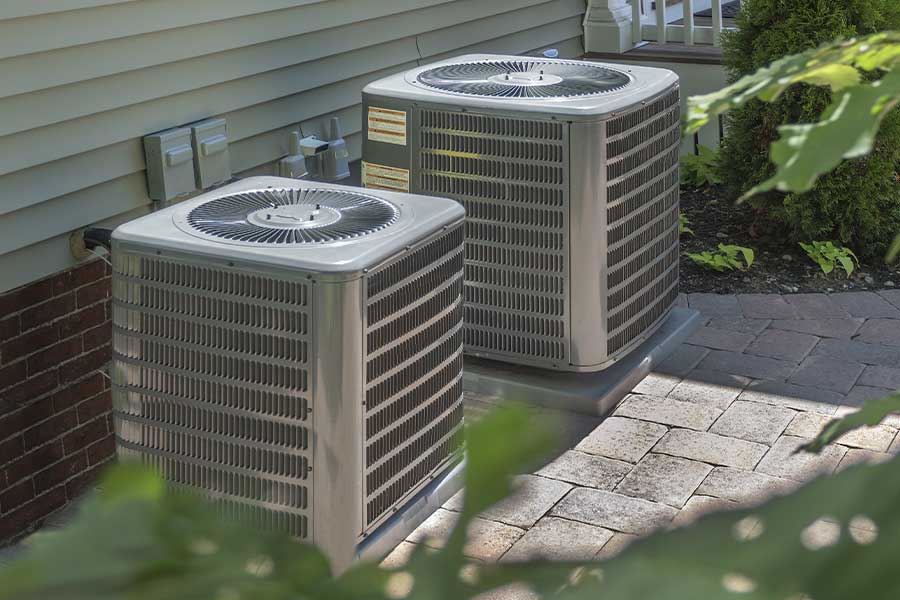
No air conditioner lasts forever, and in Goodyear, AZ, where summer temperatures regularly climb past 110 degrees, your system works harder and longer than units in most other parts of the country. That kind of demand accelerates wear, and at some point, the question shifts from whether to repair your system to whether it makes more sense to replace it.
That’s not always an easy call. Replacement is a significant investment, and it’s worth making sure the timing is right before committing. Here are seven indicators that tend to point toward replacement rather than another repair.
1. Your System Is More Than 15 Years Old
The average lifespan of a central air conditioner is somewhere between 15 and 20 years under normal conditions. In Goodyear, AZ, where systems run for eight or more months out of the year, that upper range is harder to reach. A system that’s pushing 15 years has likely already given you most of what it has to offer in terms of reliable performance.
Age alone isn’t always a reason to replace, but when you pair it with any of the other signs on this list, it tips the scales pretty quickly. An older unit is also less efficient than modern systems by a significant margin, which means you’re paying more to run it even when it’s working correctly.
2. Repair Costs Are Adding Up
One repair every few years is a normal part of owning any mechanical system. But when you’re calling for repairs season after season, or when you’re looking at a single repair bill that’s approaching half the cost of a new unit, the math starts to favor replacement.
A general rule of thumb that HVAC technicians often use is the 5,000 rule: multiply the age of the unit by the estimated repair cost. If that number exceeds $5,000, replacement is usually the smarter financial decision. It’s not a perfect formula, but it gives you a useful frame of reference when you’re weighing your options.
3. Your Energy Bills Keep Climbing Without Explanation
If your energy bills have been creeping up year over year and nothing else in your home has changed, your AC system’s declining efficiency is likely a contributing factor. As components age and wear, the system has to work harder and run longer to deliver the same level of cooling. That extra runtime shows up directly on your monthly bill.
Modern air conditioners are significantly more efficient than systems manufactured even ten years ago. Upgrading to a higher SEER-rated unit can result in meaningful long-term savings on energy costs, which helps offset the upfront cost of AC installation & replacement over time.
4. The System Struggles to Keep Up With the Heat
There’s a difference between an air conditioner that takes a little longer to cool on an unusually hot day and one that simply can’t get your home to a comfortable temperature no matter how long it runs. If your system is running continuously and your home still feels warm or humid, the unit may no longer have the capacity to handle the load.
This can happen for a few reasons. The system may have lost efficiency due to age and wear. Refrigerants may be low. Or the unit may have been undersized for your home to begin with. A technician can help determine which of these is at play, but persistent comfort problems in a system that’s already aging are a strong signal that replacement deserves serious consideration.
5. You’re Hearing Unusual Noises on a Regular Basis
Some noise from an air conditioner is normal. The sound of it cycling on and off, airflow through vents, and a low hum from the compressor are all part of regular operation. What isn’t normal is grinding, banging, clanking, or screeching that shows up regularly or gets progressively louder.
These sounds usually indicate worn or failing mechanical components inside the system. In a newer unit, replacing a specific component makes sense. In an older system that’s already near the end of its lifespan, spending money on major mechanical repairs often just delays the inevitable. If unusual noises are a recurring issue despite prior repairs, it’s worth having an honest conversation with a technician about whether continued repairs are a good use of your money.
6. Your System Uses R-22 Refrigerant
If your air conditioner was manufactured before 2010, there’s a good chance it runs on R-22 refrigerant, also known as Freon. R-22 was phased out under federal environmental regulations, and as of 2020, it can no longer be manufactured or imported in the United States. The remaining supply is limited and expensive.
If your older system develops a refrigerant leak, recharging it with R-22 can cost significantly more than it would with modern refrigerants. In many cases, the cost of sourcing and adding R-22 to an aging system makes replacement the more economical path. Newer systems use R-410A or other approved refrigerants that are widely available and far less costly.
Routine AC maintenance on an R-22 system is still worthwhile to extend its life in the short term, but a refrigerant leak in one of these units is often the tipping point that makes replacement the right call.
7. Humidity and Air Quality Have Become a Problem
A properly functioning air conditioner does more than lower the temperature in your home. It also removes humidity from the air as part of the cooling process. If your home feels sticky or muggy even when the AC is running, or if you’ve noticed more dust buildup, worsening allergy symptoms, or visible condensation on windows, the system may no longer be managing moisture effectively.
Declining humidity control is often a sign that the system’s components are worn and no longer operating at the level needed to condition the air properly. In Goodyear, AZ, where dry heat can quickly shift to humid conditions during monsoon season, having a system that handles moisture well isn’t just a comfort issue; it’s a practical one.
If humidity problems are new and your system is older, it’s one more factor to weigh alongside the others on this list when deciding whether repair or replacement is the better path forward.
Weigh the Full Picture Before Deciding
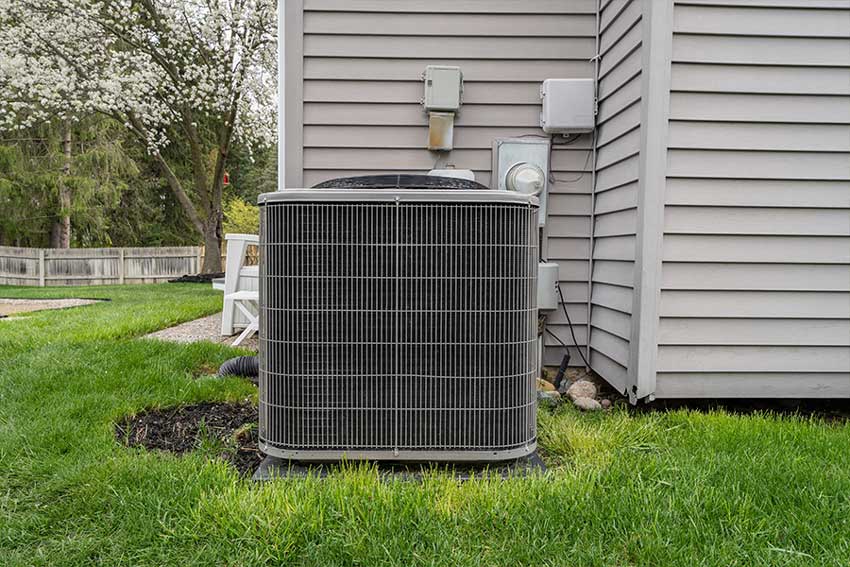
No single indicator on this list automatically means you need a new system. But when two, three, or more of these signs are present at the same time, especially in a system that’s already older, the case for replacement becomes hard to ignore. The goal is to make a decision based on the full picture rather than reacting to one repair at a time.
Rescue One Air Cooling, Heating & Plumbing helps homeowners in Goodyear, AZ, evaluate their systems honestly so they can make informed decisions about repair versus replacement. If your AC has been giving you trouble and you’re not sure which direction makes more sense, give us a call or book an appointment online today.