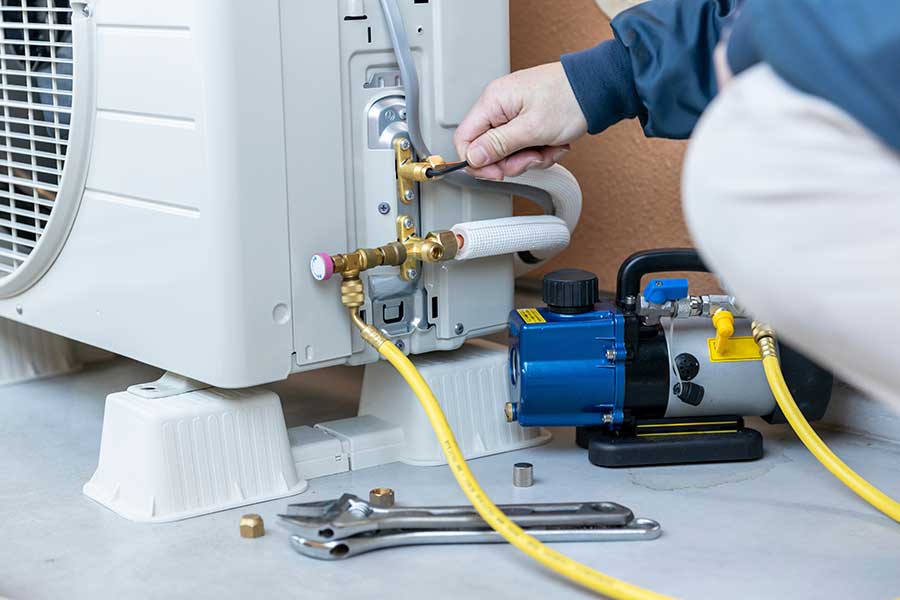
Your air handler is one of those components that quietly does a lot of work without getting much attention until something goes wrong. It sits inside your home, typically in a closet, attic, or utility room, and it’s responsible for circulating conditioned air through your living space. When it’s working the way it should, you don’t think about it. When it isn’t, you feel it pretty quickly.
In Phoenix, AZ, where air conditioning runs hard for a good portion of the year, air handlers take on more wear than in most parts of the country. Knowing what to look and listen for can help you catch a problem early before it turns into a bigger, more expensive repair.
Here are six of the most common air handler problems Phoenix homeowners run into.
1. Weak or Reduced Airflow
If the air coming out of your vents feels noticeably weaker than it used to, the air handler is often where the issue starts. Reduced airflow can stem from a few different sources: a clogged air filter, a failing blower motor, or a buildup of dust and debris inside the unit itself.
A dirty filter is the easiest fix. Filters should be changed regularly, and in Phoenix, AZ, where dust and particulates are a constant presence, that means checking them more often than the manufacturer’s general recommendation might suggest. If the filter looks fine but airflow is still weak, the blower motor may be struggling, which is a job for a technician.
Either way, weak airflow puts extra strain on the entire system and forces it to run longer to reach your set temperature, which shows up on your energy bill.
2. Ice Buildup on the Unit
Finding ice on your air handler is one of those things that catches homeowners off guard, especially in the middle of a Phoenix summer. It seems counterintuitive, but it happens more often than you’d expect.
Ice forms when the evaporator coil inside the air handler gets too cold, usually because of restricted airflow or low refrigerant levels. When airflow is blocked, the coil can’t absorb heat properly, and the temperature drops below freezing. Low refrigerant causes a similar effect by disrupting the normal pressure balance in the system.
If you notice ice on your air handler, turn the system off and let it thaw before running it again. Running it while frozen can damage the compressor. Then call a technician to find out what caused it in the first place, because the ice itself is a symptom, not the root problem.
3. Unusual Noises Coming From the Unit
Air handlers make some noise during normal operation, but certain sounds are a signal that something isn’t right. Here’s a general guide to what different noises might mean:
Banging or clanking
Usually points to something loose or broken inside the unit, like a blower wheel or a loose panel. These sounds tend to get worse over time if ignored.
Squealing or screeching
Often a sign that the blower motor’s bearings are worn or that a belt is slipping. In older units with belt-driven blowers, a worn belt can squeal loudly before it breaks entirely.
Rattling
Can be as simple as a loose screw or panel, or it can indicate that debris has gotten into the unit. It’s worth investigating either way.
Humming
A low electrical hum is normal, but a loud or persistent hum can point to an electrical issue or a motor that’s struggling to start.
None of these sounds should be ignored, especially heading into the peak cooling season when your system is about to be pushed hardest.
4. Water Leaks or Moisture Around the Unit
Air handlers produce condensation as a byproduct of the cooling process. That moisture is supposed to drain away through a condensate drain line. When that drain line gets clogged, which happens fairly often due to algae, mold, or debris buildup, water has nowhere to go and starts backing up or overflowing.
The result is moisture or standing water around the base of the unit. Left unaddressed, this can cause water damage to the surrounding area, promote mold growth, and potentially trigger a safety float switch that shuts the system down entirely.
Keeping the condensate drain clear is a routine part of AC maintenance that often gets overlooked until there’s a visible problem. If you notice moisture around your air handler, it’s worth having a technician flush the drain line and check the drain pan for cracks or damage.
5. The System Blows Warm Air
When your air handler is running, but the air coming through your vents is warm or room temperature rather than cool, it’s a frustrating experience, particularly on a Phoenix afternoon in July.
Warm air from a functioning system usually points to one of a few things: low refrigerant, a problem with the evaporator coil, or an issue with the outdoor condenser unit that’s preventing proper heat exchange. The air handler itself may be operating fine, but it can only distribute what the rest of the system produces. If the refrigerant is low or the coil is dirty or damaged, the air coming out won’t be cool, regardless of how well the blower is moving it.
This is one of those situations where air handler repair & installation may involve addressing the air handler directly or diagnosing it in combination with other system components to find where the breakdown is actually occurring.
6. Short Cycling or the System Turning On and Off Frequently
Short cycling is when your system turns on, runs for a very short period, and then shuts off before completing a full cooling cycle. It then kicks back on again shortly after. This stop-and-start pattern is hard on the equipment and does a poor job of actually cooling or dehumidifying your home.
Air handler issues that contribute to short cycling include overheating caused by blocked airflow, a dirty evaporator coil, or an oversized system that cools the space too quickly without properly managing humidity. An oversized unit is actually a fairly common problem in homes where equipment was replaced without a proper load calculation, and it leads to short cycling almost by default.
If your system is short-cycling, it’s worth having a technician look at the air handler, the thermostat, and the overall system sizing to figure out what’s driving the behavior. In some cases, a thermostat repair & installation can resolve the issue if a faulty thermostat is sending incorrect signals to the system.
Pay Attention to What Your System Is Telling You
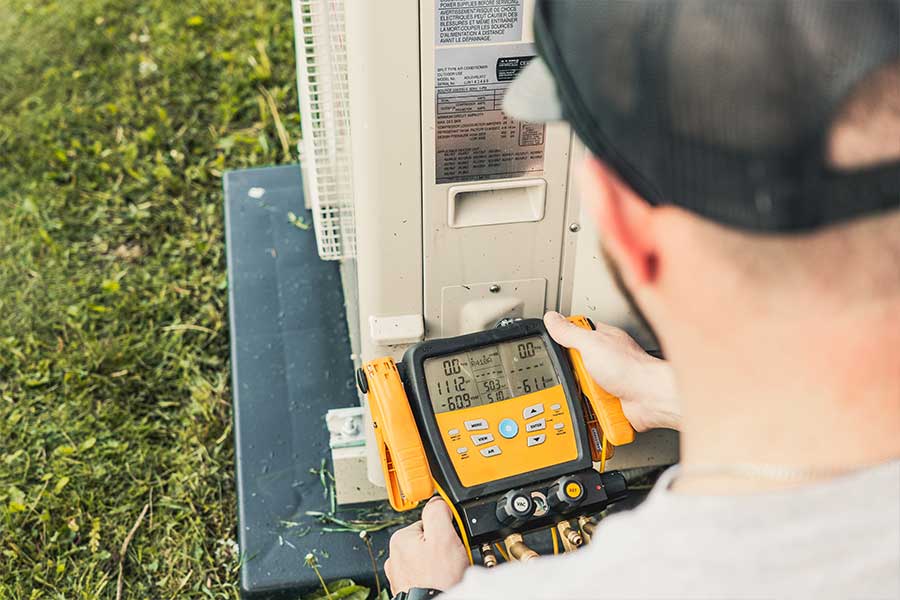
Most air handler problems don’t appear out of nowhere. There are usually signs ahead of time, whether it’s a change in airflow, a new noise, or a shift in how well your home is cooling. The sooner you catch something unusual, the better your chances of dealing with it before it escalates.
Rescue One Air Cooling, Heating & Plumbing works with Phoenix homeowners to diagnose and resolve air handler issues and keep HVAC systems running the way they should, especially heading into the months when you need them most. If something seems off with your system, don’t wait it out. Give us a call or book an appointment online today.