Some plumbing problems are obvious. A dripping faucet, a running toilet, or a drain that’s clearly backed up are all things you can see and feel right away. But some of the most serious plumbing issues happen in places you can’t see at all, deep inside your sewer lines, buried under your yard, or hidden behind walls and beneath your foundation.
For decades, diagnosing these hidden problems meant guesswork, excavation, or both. Today, sewer camera inspections have changed the way plumbers approach underground and concealed pipe issues. If you’ve never heard of the process or you’re wondering whether it’s actually worth it, here’s a straightforward look at what it involves and what it can tell you about your plumbing system.
What a Sewer Camera Inspection Actually Is
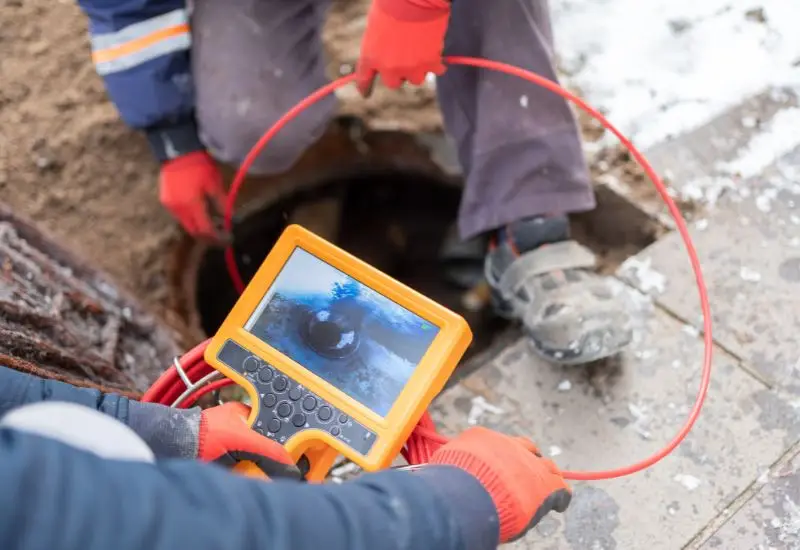
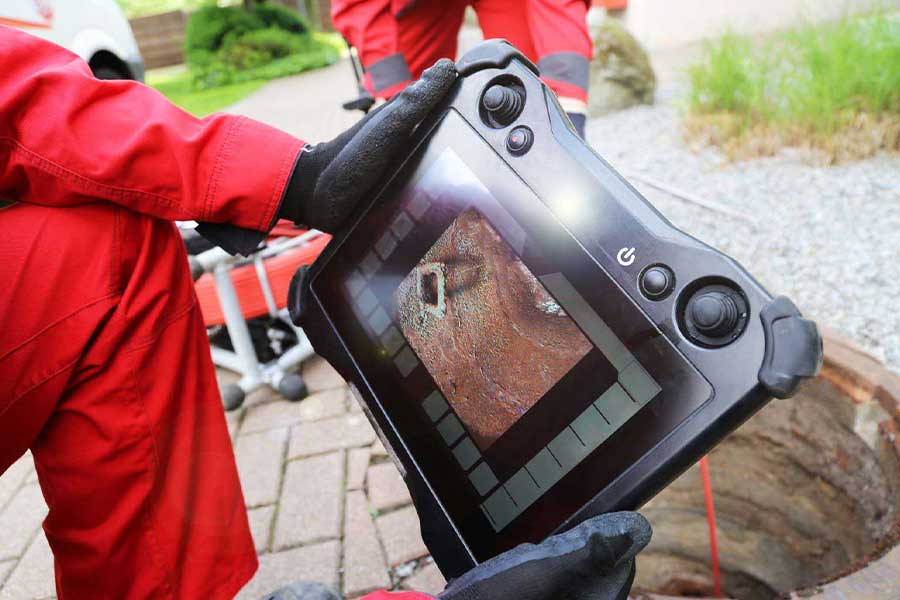
A sewer camera inspection involves inserting a flexible cable with a small waterproof camera attached to the end into your plumbing system through a cleanout access point or an existing opening like a drain or toilet. As the cable travels through the pipe, the camera transmits a live video feed to a monitor that the technician watches in real time.
The camera is also equipped with a locator transmitter, which allows the technician to pinpoint the camera’s position from above ground. This means that when a problem is found, they can mark the exact location on your property without digging anything up first.
The whole process is non-invasive, relatively quick, and gives the technician direct visual access to what’s happening inside your pipes rather than relying on educated guesses based on symptoms alone.
What a Camera Inspection Can Reveal
This is where the real value of the technology shows up. A sewer camera can identify a wide range of issues that would otherwise require significant guesswork or exploratory digging to diagnose.
Blockages and buildup
Grease, soap scum, hair, and other debris accumulate on pipe walls over time. A camera inspection shows exactly where the buildup is concentrated and how severe it is, which helps determine whether drain cleaning or a more aggressive approach like hydro jetting is the right solution.
Root intrusion
Tree and shrub roots naturally seek out moisture, and sewer lines are a reliable source. Roots can infiltrate pipes through tiny cracks or joints and grow into the line over time, causing partial or complete blockages. In Tempe, AZ, where desert landscaping often includes large mesquite, palo verde, and other established trees, root intrusion is a more common problem than many homeowners expect. A camera makes root intrusion immediately visible and helps determine how extensive it is before any work begins.
Cracks, fractures, and pipe damage
Pipes crack and fracture for a number of reasons, including age, ground movement, soil shifting, and pressure from roots or heavy loads above ground. A camera inspection reveals the location, size, and nature of any structural damage, which informs whether a localized repair or a more comprehensive solution is needed.
Bellied or sagging pipe sections
A belly in a pipe occurs when a section sags downward due to soil settling or improper installation. Water and waste collect in that low point rather than flowing through freely, which creates recurring blockages and buildup. This kind of issue is nearly impossible to diagnose without visual access to the pipe.
Offset or separated joints
Over time, pipe joints can shift out of alignment or separate entirely. This allows soil and groundwater to infiltrate the line and creates points where waste can escape into the surrounding ground rather than traveling to the sewer. A camera makes these offsets clearly visible.
Corrosion and deterioration
In older Tempe homes with cast iron or clay sewer pipes, interior corrosion and deterioration can be significant without producing obvious symptoms at first. A camera inspection gives you a clear picture of how much useful life the pipe has left and whether proactive replacement makes sense before a failure occurs.
When a Sewer Camera Inspection Makes Sense
You don’t have to be dealing with an active problem to benefit from a camera inspection. There are several situations where it’s a smart and practical step.
You’re buying a home
A sewer camera inspection is one of the most valuable additions you can make to a standard home inspection. Sewer line problems don’t show up in a typical visual inspection, and repair or replacement costs can be high. Knowing the condition of the sewer line before you close gives you important information and potential negotiating leverage.
You have recurring drain problems
If the same drain keeps backing up despite repeated clearing, or if multiple drains in your home are slow at the same time, a camera inspection can identify whether there’s a deeper structural issue driving the recurring problem rather than just surface-level buildup.
You’re dealing with unexplained odors or wet spots in your yard
Sewer gas odors inside your home or unusually wet, lush patches of grass in your yard can indicate a line that’s leaking or has separated underground. A camera inspection confirms whether that’s what’s happening and locates the problem precisely.
Your home is older
Homes built before the 1980s in Tempe, AZ, may still have original clay, cast iron, or Orangeburg sewer pipes. These materials have a finite lifespan and are prone to specific failure modes. A camera inspection gives you a current picture of their condition, so you’re not caught off guard by a sudden failure.
How Camera Inspections Connect to Other Plumbing Services
A sewer camera inspection is rarely just an isolated service. More often, it’s the diagnostic step that makes everything else more accurate and efficient.
When a camera reveals significant buildup or a grease blockage, hydro jetting services can clear it out thoroughly. When it uncovers a cracked or collapsed section of pipe, trenchless sewer line replacement & repair may be an option that addresses the damage without requiring your yard to be excavated. When it identifies a root intrusion, rooter services can remove the roots while the camera confirms they’ve been fully cleared.
The inspection essentially removes the guesswork from the equation so that whatever work follows is targeted, appropriate, and done with a complete understanding of what’s actually going on inside the line.
What to Expect During the Process
Most sewer camera inspections take between 30 minutes and an hour, depending on the length and layout of the line being inspected. The technician will access the line, run the camera through, and walk you through what they’re seeing on the monitor as they go. A good technician will explain what each image shows in plain terms so you understand what you’re looking at and why it matters.
Many companies also provide a recorded copy of the footage, which is useful documentation if you’re buying or selling a home, filing an insurance claim, or simply want a record of your system’s condition for future reference.
Stop Guessing at What’s Going On Underground
Plumbing problems that develop underground or inside walls have a way of growing quietly until they become unavoidable and expensive. A sewer camera inspection takes the guesswork out of diagnosing what’s happening inside your pipes and gives you clear, accurate information to work with.
Rescue One Air Cooling, Heating & Plumbing provides sewer camera inspections for homeowners throughout Tempe so you can understand the condition of your plumbing system and make informed decisions about what to do next. If you’ve been dealing with recurring drain issues or unexplained odors, or you just want to know what’s going on underground, give us a call or book an appointment online today.